
Nurse

Maries Co. R 2 has a nurse at each campus (Belle and Bland).

The Belle Campus nurse is Meagan Lewis. She can be reached at 573-859-3800 ext 1303 (mlewis@mariesr2.org)

Meagan Lewis

The Bland Campus nurse is Ashley Valley. She can be reached at 573-859-3800 ext 1028 (avalley@mariesr2.org)
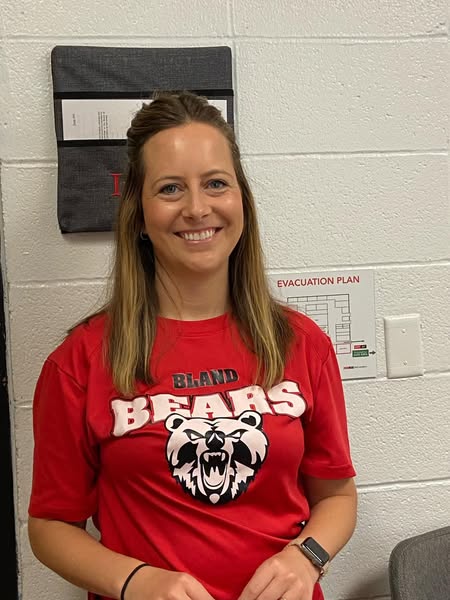
Ashley Valley

District Wellness Plan

Annual Assessment of Wellness Plan (September 2024)

Assessment of Wellness Plan 2024-2025

Wellness Committee:

Randis Sanders(Administrator), Meagan Lewis (Nurse), Heidi Krause, Jacob Walton, Dawn Hicks, Tamara Lockard

To contact the wellness comittee, please contact Meagan Lewis at mlewis@mariesr2.org.

Medication at School

Does your student take over-the counter or prescription medication? If so, get updated medication orders from their physician that include the name of the student, name of the drug, dosage, frequency of administration, route of administration and the prescriber's name. Drop both the physician orders and medication off at your child's school for the nurse prior to the start of the school year. Do not send the medication to school with your child.

Immunizations

Please schedule immunization and physical appointments with your healthcare provider as needed. Missouri law requires children enrolled in Kindergarten through 12th grade to be immunized against certain preventable diseases. Required immunications include: DTaP (Diphtheria, Tetanus and Pertussis) or DT (Diphtheria and Tetanus); IPV (Polio); Hepatitis B; MMR (Measles, Mumps and Rubella); and Varicella (Chickenpox). Two additional vaccinations are required for students in grades 8th -12th: Tdap (pertussis) and Meningococcal (Meningitis). Updated immunization records are required for students entering Kindergarten, 8th grade and 12th grade.

2023-2024 Missouri School Immunization Requirements

STOP THE BLEED

The Stop the Bleed campaign is a national public awareness and training initiative that teaches bystanders how to control life-threatening bleeding in an emergency. It is based on military medicine advancements and focuses on three basic actions: apply direct pressure, pack the wound, and use a tourniquet. These protocols are crucial because professional responders can take minutes to arrive, and a person can die from blood loss in under five minutes, making immediate action by bystanders vital. 

Protocols for traumatic blood loss

The core principles of bleeding control involve immediate action by bystanders to stop or slow life-threatening bleeding until professional help arrives. The main methods are: 

  • Direct Pressure: Apply firm, direct pressure with your hands or a clean cloth directly on the wound. If you are applying pressure and it is working, do not stop until professional help takes over.

  • Pack the Wound: If direct pressure isn't sufficient, pack the wound with gauze or a clean cloth. If the wound is in the neck, shoulder, or groin, use gauze or a clean cloth to pack the wound and then apply firm pressure.

  • Use a Tourniquet: If bleeding is severe and cannot be controlled by pressure, apply a tourniquet to the injured limb. Tourniquets should be applied to the limb, several inches above the wound (not on a joint), and tight enough that bleeding stops. 

The Stop the Bleed campaign 

  • Origin: The campaign was launched in 2015 following the Hartford Consensus, which determined that no one should die from uncontrolled bleeding. It draws on military experience that has shown significant reductions in fatalities from extremity bleeding.

  • Goal: To empower the public with the knowledge and tools to act in a bleeding emergency. The goal is to make national resilience and public safety a priority by teaching simple, life-saving bleeding control techniques.

  • Training: Free training is available through the campaign, which focuses on teaching people how to use their hands, dressings, and tourniquets. Anyone can take a course, and it is recommended that training be included in other programs like CPR courses.

  • Resilience: The campaign aims to build resilience by preparing the public to save lives in the wake of both everyday emergencies and major disasters. 

Each Maries Co. R 2 building has a Stop the Bleed building kit. Each classroom has an individual classroom Stop the Bleed kit. Each SRO has a Stop the Bleed Kit for emergency use.

Teachers and staff have been trained on how to use a tourniquet and blood loss control.

How to Control Bleeding